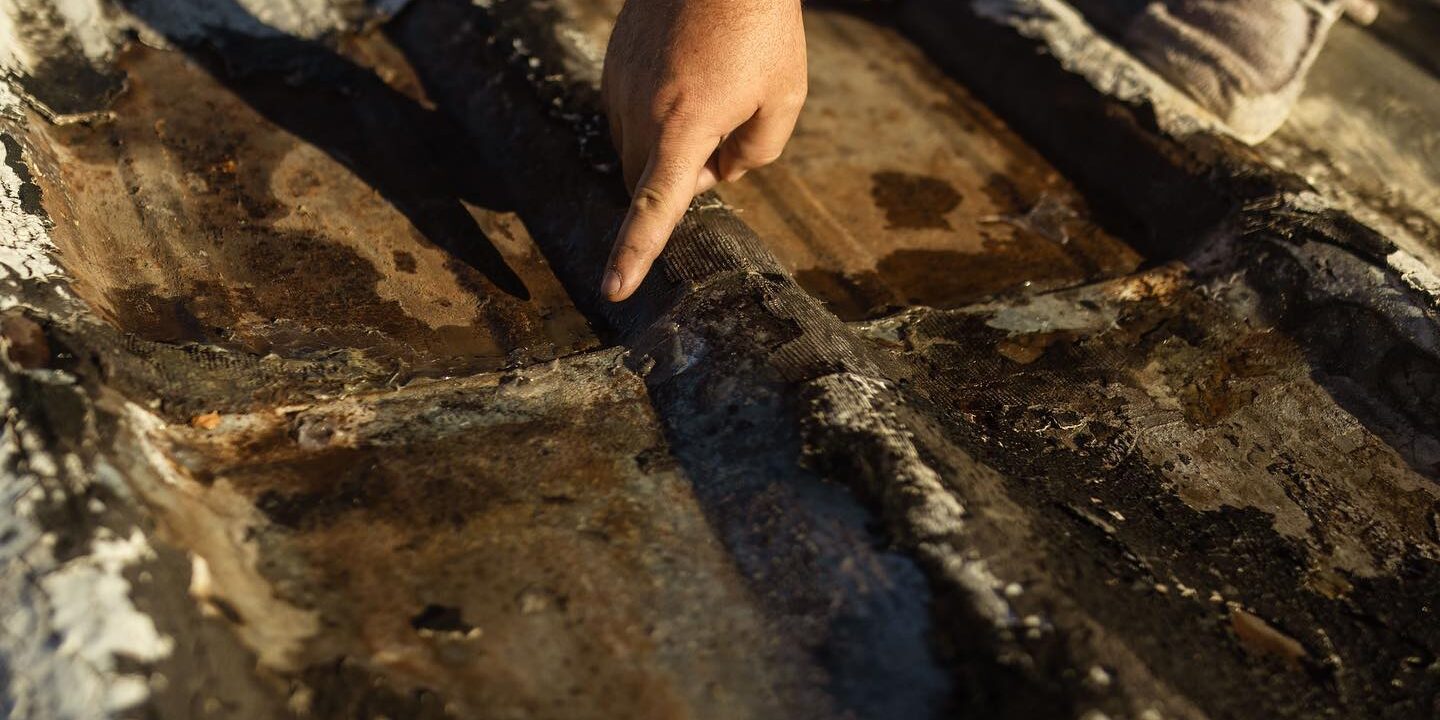
Fall is one of the most important times of year for commercial roof inspections. As temperatures begin to drop and precipitation increases, small roofing issues can quickly turn into major structural problems.
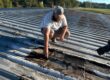
During a professional fall inspection, contractors carefully assess the condition of the roofing membrane, flashing, drainage systems, and seams. They look for cracks, punctures, ponding water areas, and deteriorated sealants—issues that may seem minor but can worsen significantly in cold weather.
Freeze-thaw cycles are particularly damaging. When water seeps into small cracks and temperatures fall below freezing, the water expands. This expansion widens gaps in the roofing material, accelerating deterioration and increasing the likelihood of leaks.
Clogged drains are another common fall concern. Leaves and debris can block drainage systems, causing water to accumulate on the roof surface. Prolonged ponding water adds weight stress and increases the risk of membrane failure.
By identifying and repairing vulnerabilities in the fall, property owners can avoid emergency winter repairs, interior water damage, mold growth, and operational disruptions. Preventative maintenance is always more cost-effective than reactive repairs.
Scheduling a fall inspection ensures your commercial roof is prepared to handle winter weather. It provides peace of mind and protects your investment before harsh conditions set in.